From Classroom to Community: International Students Engage in Field Learning and Collaborative Projects at the 7th Summer Course SKPM (2026)
From Classroom to Community: International Students Engage in Field Learning and Collaborative Projects at the 7th Summer Course SKPM (2026)
 SKPM IPB University
Bogor, 6 August 2026 – Experiencing Community Development Through Direct Engagement
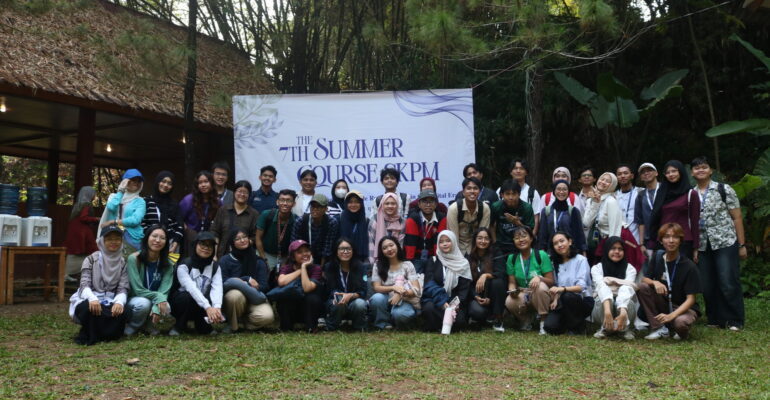
After completing the academic sessions, participants of the 7th SKPM International Summer Course moved from classroom learning to experiential learning through the Field Visit and Collaborative Project held from 4–6 August 2026. The activities took place in collaborative partnership with SALAM Community Hub and community partners, providing participants with the opportunities to directly observe and engage with community-based activities in Indonesia.
The field visit began on 4 August 2026 with an opening ceremony, welcoming remarks, introduction, and group allocation. Participants then joined the School Tour to learn more about the educational and community activities implemented by SALAM Community Hub.
The participants were also introduced to experience a Grass Jelly (Cincau) Making Workshop, facilitated by the SALAM Community Hub team. The activity acquainted participants with an indigenous knowledge of Indonesia’s traditional beverage process while providing an opportunity for them to learn through on-hand experience.
At the end of the day, participants took part in a reflection and discussion session. This allowed them to connect their field experiences with the academic concepts discussed during the previous Hybrid Class Session, before continuing with their field experience through Community Engagement Activities on 5 August 2026.
Working in groups, participants engaged directly with community activities, conducted observations, and collected information relevant to their collaborative projects. The participants accustomed themselves with the assigned community partners, such as Salam Aid, Salam Rancage, and Salam Berdaya.
The field activities provided participants with an opportunity to understand community development not only through theoretical concepts but also through direct interaction with community members and local initiatives. Participants were encouraged to observe, communicate, collect data, and reflect on the challenges and opportunities encountered in the field.
The data and experiences gathered during the field visit became the foundation for the Collaborative Project. Participants worked together across national backgrounds to analyze the issues they encountered and develop ideas based on their field observations.
On 6 August, each group finalized and presented their collaborative project in front of everyone, accompanied with a panel of judges. The presentations demonstrated the participants’ ability to connect academic knowledge, field observations, and cross-cultural perspectives into collaborative ideas and proposed solutions. The project presentations were then followed by a panel discussion and awarding session, recognizing participants and groups for their achievements throughout the program.
Through the Field Visit and Collaborative Project, the Summer Course strengthened experiential learning and encouraged participants to become active learners within the communities they visited. The experience also strengthened collaboration among participants from different countries and demonstrated the importance of connecting academic knowledge with community realities.